MLCP PIPE & FITTINGS

MLCP PIPE & FITTINGS

MLCP (Multi-Layer Composite Pipe) systems combine the advantages of metal and plastic pipe technologies to create a reliable, modern solution for plumbing and heating installations. Constructed with multiple bonded layers typically an inner plastic pipe, an aluminium core and an outer protective plastic layer MLCP delivers strength, flexibility and long-term durability in a single system. The aluminium layer acts as an oxygen barrier and provides structural stability, while the plastic layers protect against corrosion and scaling.
MLCP PIPE

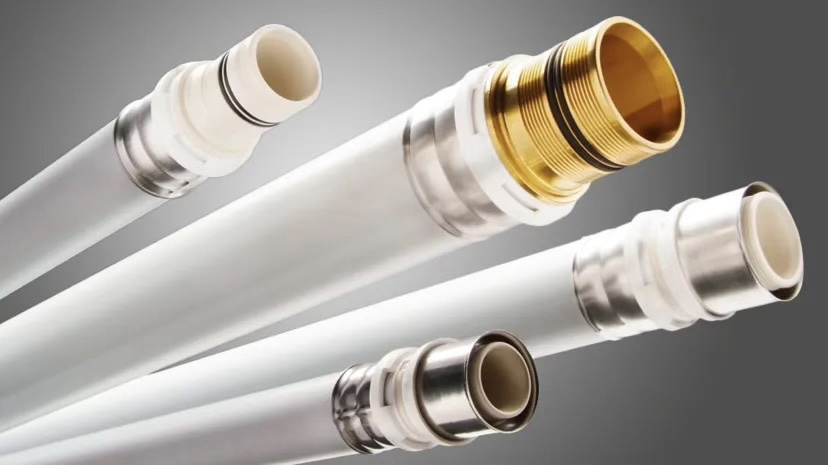
MLCP pipe is designed to combine flexibility with dimensional stability. The multilayer construction usually consists of an inner PE-RT or PEX layer, a butt-welded aluminium core, and an outer protective polyethylene layer, bonded together using specialist adhesives. This structure allows the pipe to bend easily during installation while maintaining its shape once formed, reducing the number of fittings required and simplifying pipe runs.

One of the key advantages of MLCP pipe is its resistance to thermal expansion compared with single-layer plastic pipes. The aluminium core significantly reduces expansion and contraction when temperatures change, making installations easier to secure and maintain over time. The aluminium layer also provides a complete oxygen barrier, preventing oxygen from entering heating systems and helping to protect components such as boilers, pumps and radiators from corrosion.

MLCP Fittings

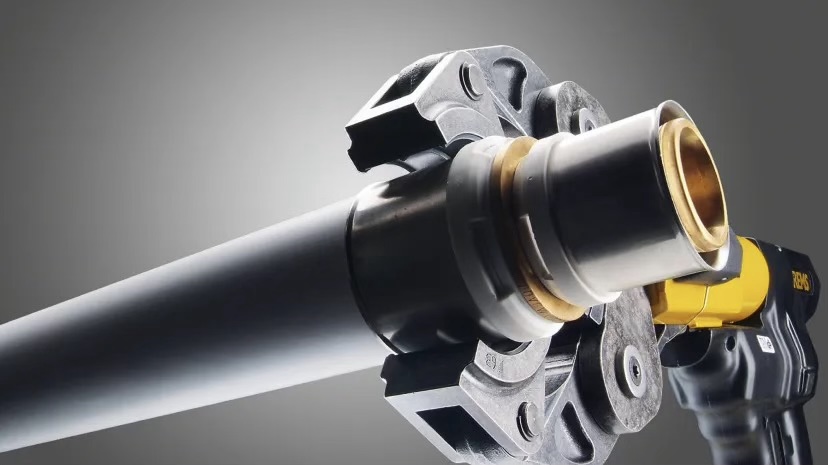
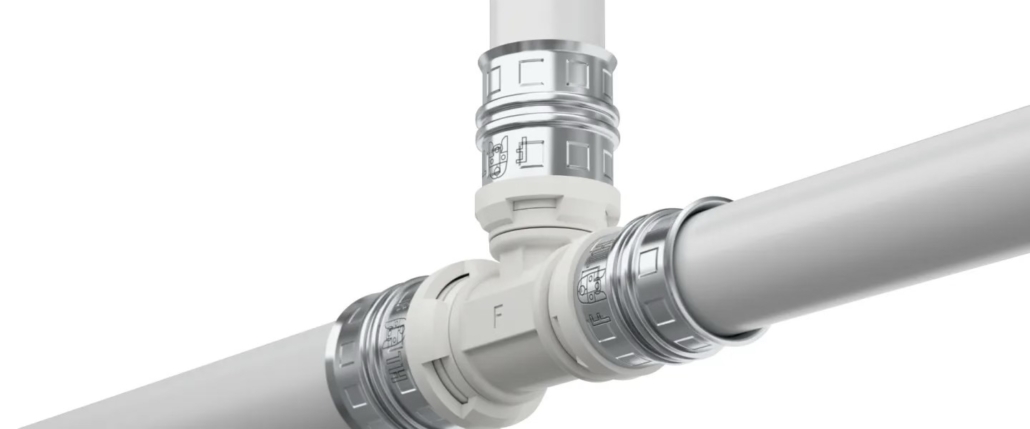
MLCP fittings are specifically designed to create secure and reliable connections between multilayer pipes. The most common type used in modern installations is the press fitting, which uses a stainless steel sleeve and an internal sealing element such as an EPDM O-ring to form a permanent mechanical joint when pressed with a compatible tool.

Press fittings offer several advantages over traditional joining methods. They eliminate the need for soldering or heat, reducing installation time and improving safety on site. Once pressed, the connection forms a strong, leak-tight seal that provides long-term reliability. Many fittings also include visual insertion indicators and press sleeves to help installers ensure correct installation.