The Gastite Qualified Install Training Programme video on “How to Terminate a Gastite Pipe” is a concise demonstration of one of the most fundamental skills in installing corrugated stainless steel gas piping systems. While the video itself runs just a few minutes, it highlights critical techniques, tools, and safety considerations that every installer must understand to complete a secure termination.
In this blog, we break down the key points from the training video and contextualise them for professionals working across mechanical services, building utilities, and gas distribution infrastructure.
What Is Gastite and Why Does Proper Termination Matter?
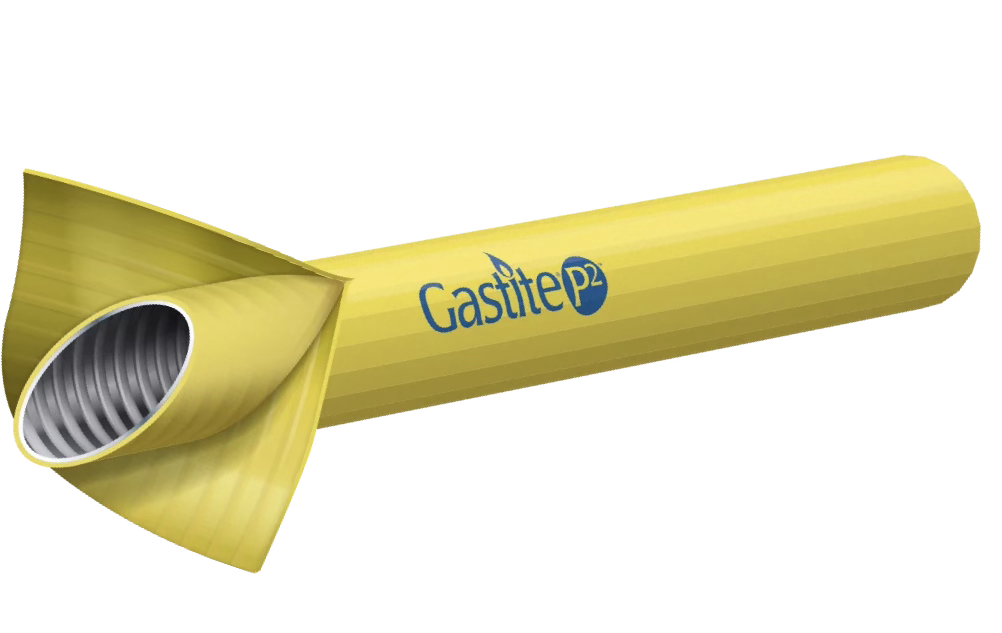
Gastite® is a brand of corrugated stainless steel tubing (CSST) used for gas distribution in residential and commercial properties. Its flexibility and ease of routing through structures make it an attractive alternative to rigid pipe, particularly in retrofit and tight-space applications. However, the flexibility also means that correct termination the process of cutting, flaring, and joining the tubing with mechanical fittings is vital to ensure a leak-free and code-compliant installation.
Termination is the point at which the Gastite CSST connects to a fixed fitting, valve, or appliance stub-out. A poor termination can compromise system integrity, leading to leaks, regulatory non-conformance, or safety risks. This training module is part of Gastite’s Certified Installer Programme, designed to ensure installers are proficient and safe in their work.
Tools Required for Gastite Pipe Termination
The video emphasises that termination does not require specialised industrial machinery the process can be executed reliably with common hand tools. The core tools you will need include:
- A pipe cutter designed for thin-wall metal tubing, such as a CSST cutter. These tools make clean, square cuts that are essential for correct flaring and fitting engagement.
- Adjustable wrenches or spanners for tightening mechanical fittings. Gastite fittings use threading that must be engaged cleanly and torqued correctly to ensure a secure metal-to-metal seal.
- Flaring tooling, where required, to prepare the pipe end for mechanical fitting attachment.
- Although not shown in detail in the video, additional safety and finishing accessories (such as deburring tools and leak test solution) are recommended in professional practice to ensure system cleanliness and integrity.
Step-by-Step Termination Technique (Practical Breakdown)
1. Cut to Length with Precision
The video’s trainer demonstrates how to measure and cut the CSST to the required length using the pipe cutter. The goal is a clean, burr-free cut. Variations in cut quality will directly affect the performance of the fitting and can lead to seal failures.
2. Prepare the Tube End (Deburring/Flaring)
Once cut, the tube end should be prepared according to manufacturer guidelines. This usually involves removing any sharp edges and ensuring the surface is ready for a mechanical fitting. A smooth tube end ensures proper interface with the fitting’s sealing surfaces.
3. Attach the Mechanical Fitting
Gastite’s mechanical fittings work by creating a metal-to-metal seal and clamping onto the tube’s polymer jacket and stainless core. The video demonstrates hand tightening with a wrench, emphasising alignment and controlled torque. This step is crucial: too little torque can allow leaks; too much can deform the fitting or tube.
4. Inspect and Test
Once the termination is complete, a pressure test using a leak detection solution or manifold gauge is standard practice. Ensure no visible bubbles form around the fitting, indicating gas tightness.
Best Practices and Installer Considerations
Certification Matters:
Gastite offers a Certified Installer training programme, online or onsite, which teaches not only termination but broader installation standards, burying practices, and system handling. Completing this programme enhances installer competence and may be required for product warranty or statutory compliance in some jurisdictions. ([Gastite][2])
Understand System Interfaces: Gastite CSST systems often integrate with traditional rigid pipe or appliance connectors. Ensuring that the transition point (termination) is stable and mechanically sound helps manage differential settling and vibration.
Follow Codes and Manufacturer Guidance:
Finally, while the video shows basic technique, remember that local gas installation codes and manufacturer manuals provide detailed requirements for pressures, bonding, and support spacing that must be adhered to in every installation.
Conclusion
Termination of Gastite CSST is a foundational skill for gas installers. The video from the Gastite training programme makes it clear that with the right preparation and tools, even a seemingly simple connection involves methodical attention to detail, precision cutting, fitting engagement, and testing. By embedding these practices into your workflow and by completing formal training you reduce risk, improve system longevity, and uphold best installation standards.